

Protein Calculator: How much protein do you really need?
From headlines to social feeds to grocery store snacks, everyone seems to be talking about protein. But how much do you actually need? The right amount depends on your body, age, and health goals. The Mayo Clinic Diet team developed this calculator to cut through the hype and help you find the right amount for you.

Use the protein calculator to find your daily target
Answer these quick questions to find out how much protein you really need.

Frequently Asked Questions
Common protein questions
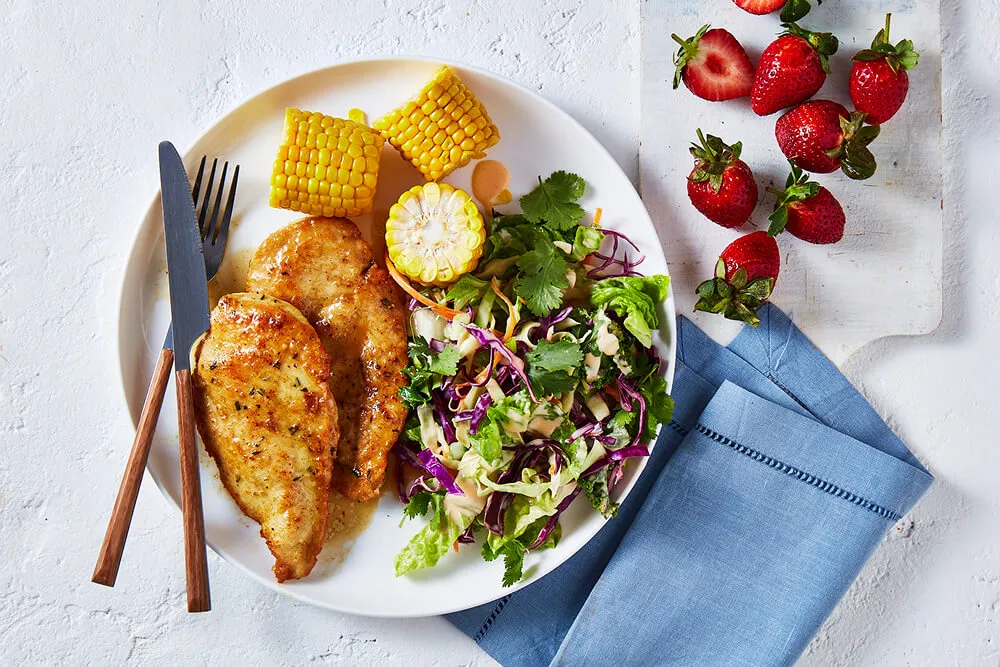
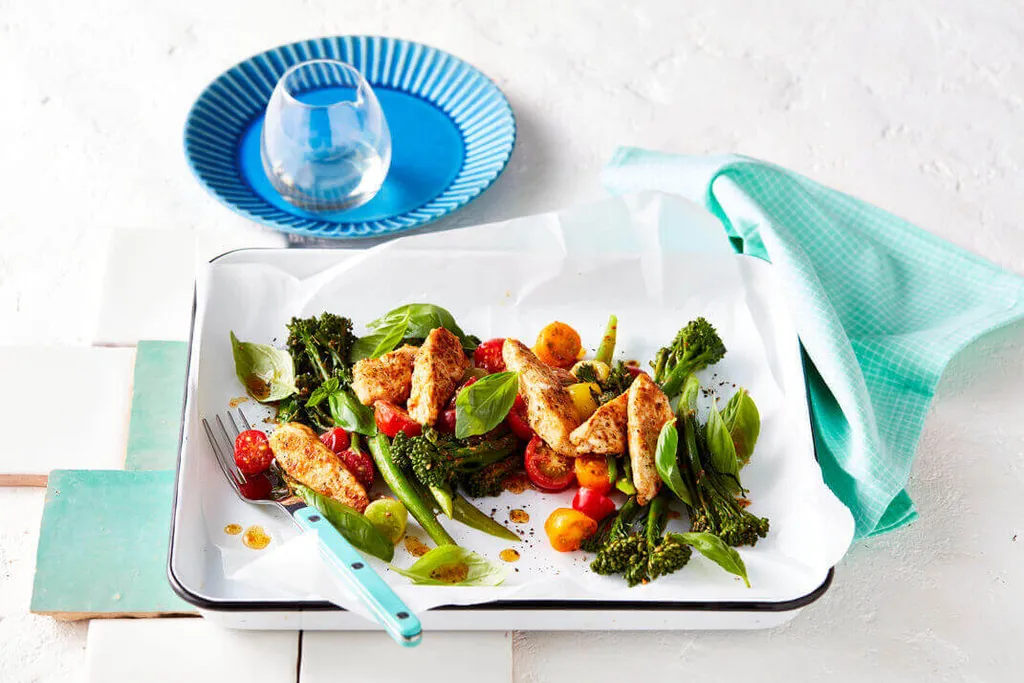
Lean animal foods pack the most protein per serving: chicken and turkey breast, fish, eggs and dairy (e.g. Greek yogurt). Great plant sources of protein include lentils, beans, tofu, edamame, tempeh and quinoa. Build every meal around a protein source, then add vegetables, whole grains and healthy fats.
Aim for at least 25g of protein at each meal and around 15g for snacks. For example: a fruit smoothie made with milk and yogurt at breakfast (~25g), a chicken-and-bean salad at lunch (~30g), a 5 oz portion of cooked fish at dinner (~30g), plus a boiled egg and a piece of cheese as a snack (~15g). Spreading protein across the day also helps you feel full between meals. Not sure 100g is right for you? Use the Protein Calculator to get a suggested target based on your body weight and age.
When you're losing weight, eating enough protein helps protect muscle and keeps you satisfied on fewer calories. A good starting point for many adults is around 1 to 1.2 grams of protein per kilogram of body weight per day, and a little higher if you're over 55 or taking appetite-lowering medication. The Protein Calculator personalizes this to your body weight and age.
GLP-1 medications lower your appetite, so it's easy to under-eat protein and lose muscle along with fat. Prioritizing protein at every meal, often toward the higher end of your suggested range, helps preserve lean muscle with regular strength training. The Protein Calculator factors medication use into your target.
For most healthy adults, moderately higher protein is safe and beneficial. Very high intakes are rarely necessary and can crowd out other nutritious foods or add unnecessary calories to your diet. If you have kidney disease or another medical condition, check with your doctor or registered dietitian before making big changes.